A structured comparison of the Air Suspension Wheel against conventional pneumatic OTR tyres — across safety, operations, lifecycle cost, environmental performance, and supply chain resilience.
| Incident Type | Cause with Pneumatic Tyre | ASW Outcome |
|---|---|---|
| Explosion / Blowout | Stored high-pressure gas releases catastrophically | Eliminated |
| Tyre Fire | Heat accumulation ignites rubber carcass under sustained load | Eliminated |
| Rim Separation | Pressurised bead lock fails; rim and tyre disengage under load | Eliminated |
| Handling Injuries | Multi-tonne assemblies require specialised fitment equipment and personnel | Reduced |
| TKPH / Heat Failure | Heat accumulation exceeds tyre rating; structural integrity fails | Eliminated |
| Sidewall Failure | Lateral stress and static turning cycles damage sidewall structure | Eliminated |
| Lightning Ignition Risk | Pressurised rubber assembly presents ignition hazard in electrical storm events | Reduced |
Assessment based on failure mode analysis of the ASW design against common pneumatic OTR tyre incident categories in heavy surface and underground mining operations.
| Cost Component | Conventional Pneumatic Tyre | Air Suspension Wheel (WaaS) |
|---|---|---|
| Purchase / Acquisition | High CAPEX per tyre. Price volatile — linked to rubber commodity markets and logistics. Budget exposure: $60–100k+ per large OTR unit. | Zero upfront CAPEX under WaaS. GACWheels supplies and owns the wheel system. Cost is per operating hour. |
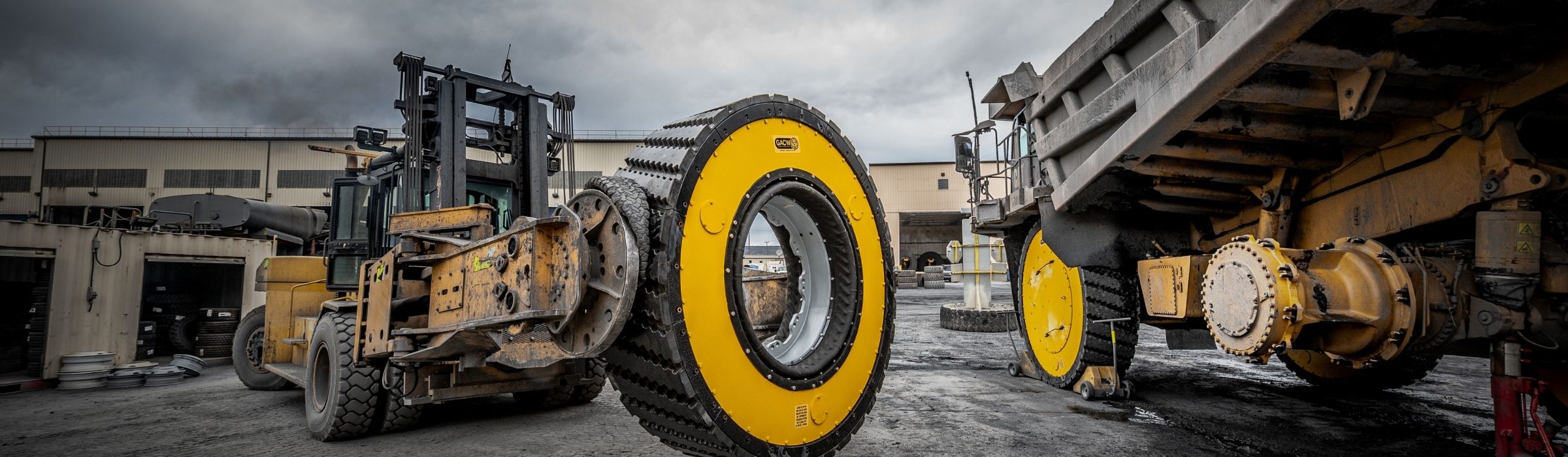
| Lifespan | ~12 months average under heavy mining use. Highly variable — driven by conditions, operator behaviour, and haul profile. | Indefinite under managed service. Tread segments replaced individually. Wheel body life: multiple years. |
| Maintenance Labour | Specialised equipment and trained operators. Emergency change-outs add unplanned cost and overtime exposure. | Standard bolted-component servicing. In-situ. No specialised tyre equipment. Lower skill requirement for ongoing segment swap. |
| Downtime Cost | Blowouts and unexpected failures generate unbudgeted downtime. Cost = lost production + emergency response + labour spike. | Failure modes are gradual and predictable. Maintenance windows planned — not reactive. Downtime reduction ↓87% in trials. |
| Disposal | Significant disposal cost per carcass. Landfill constraints. Environmental liability. Logistics required to move heavy, worn carcasses off-site. | Zero disposal obligation under WaaS. Worn components returned to GACWheels. No site disposal burden. |
| Inventory Holding | On-site tyre inventory required — capital tied up in stock, storage infrastructure, and management overhead. | No tyre inventory. WaaS model includes component supply. Spare segments managed by GACWheels against fleet schedule. |
Large OTR mining tyres are among the most difficult industrial waste streams to manage. Carcasses are large, heavy, and not recyclable through most conventional tyre recycling channels — industrial OTR rubber chemistry and construction differs significantly from automotive tyres.
Under the ASW and WaaS model, the tyre waste stream is removed from site entirely. Worn tread segments — a fraction of a conventional tyre's mass — are returned to GACWheels and managed within GACWheels' supply chain. No carcasses. No stockpiles. No disposal logistics.
The global supply of large OTR mining tyres is controlled by a small number of manufacturers. This creates a structural constraint that no mine operator can resolve unilaterally — demand spikes during commodity cycles, and supply does not respond at the same velocity.
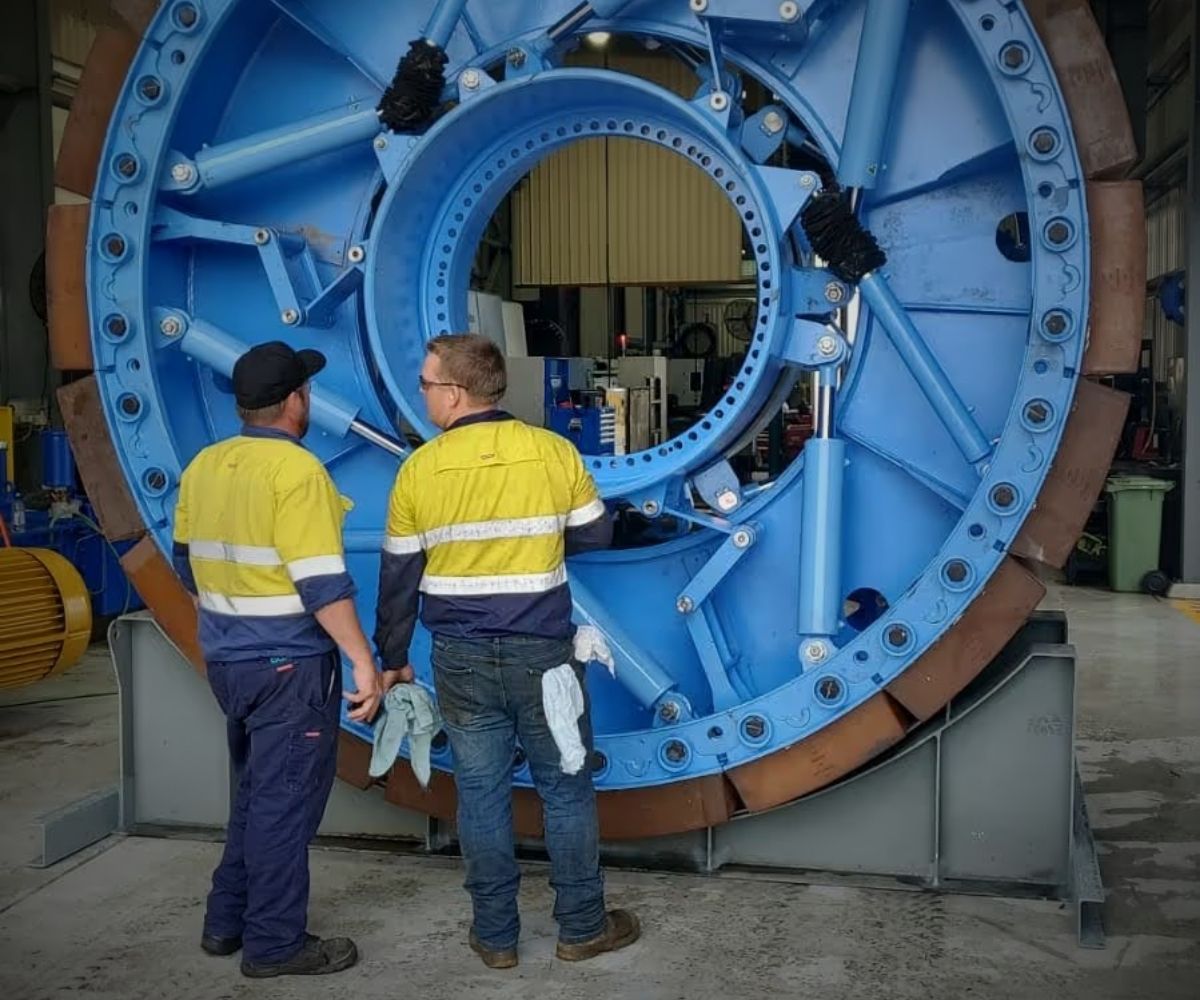
A fleet running ASW carries no OTR tyre supply exposure. Components — tread segments, cylinders, dampers — are supplied by GACWheels under the WaaS service agreement, with inventory sized to your fleet and schedule. GACWheels manages the supply chain; the mine does not.
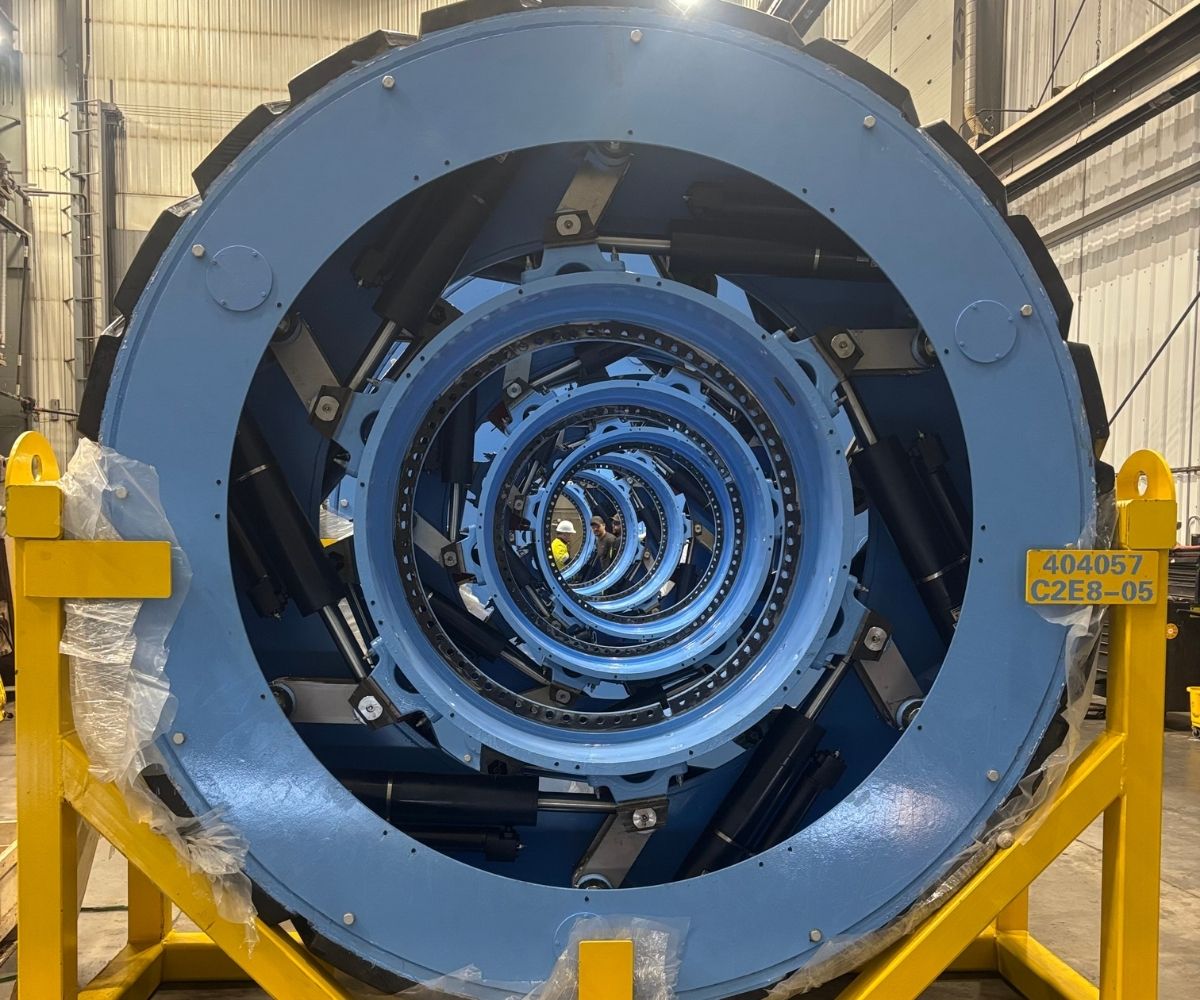
Safety. Operations. Cost. Environment. Supply. On every dimension that determines whether a new wheel technology is worth adopting — the ASW delivers a measurable advantage over the status quo.
9+ years of operational field data from real mining deployments — not lab results or projections.
How the WaaS model converts volatile tyre CAPEX into a fixed, usage-aligned operating cost — including financial modelling for your fleet.
Bring your fleet profile, machine types, and site conditions. GACWheels will build a site-specific case and financial model.