
Replace Pneumatic OTR Tyres with a Managed Wheels System
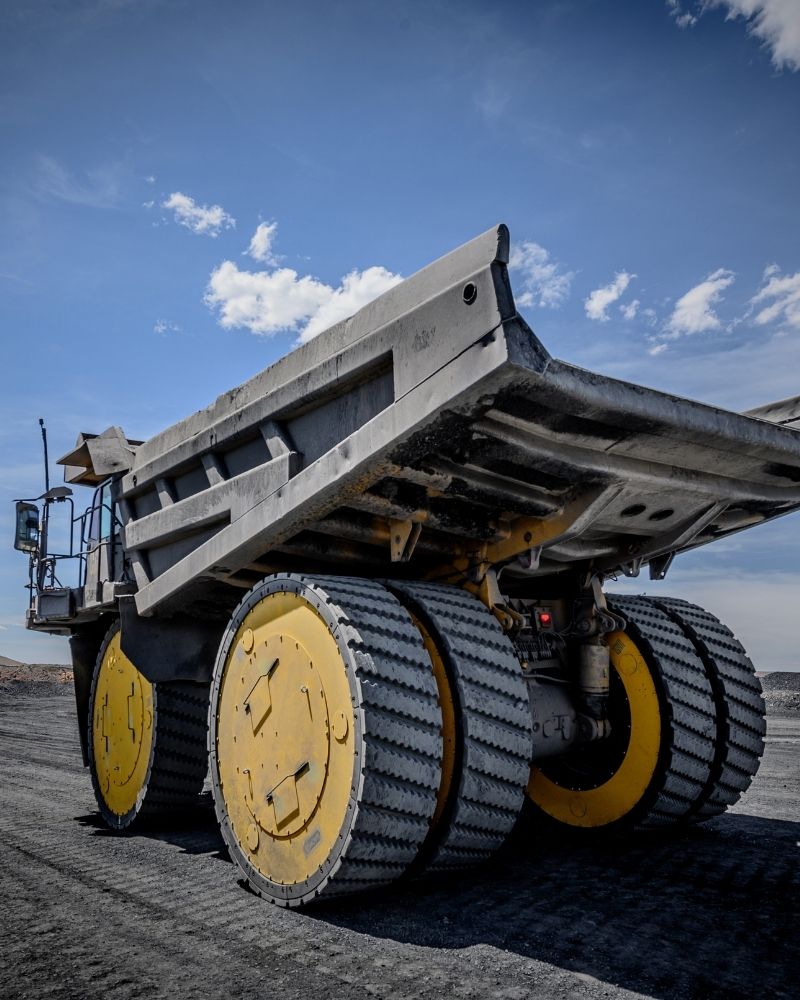
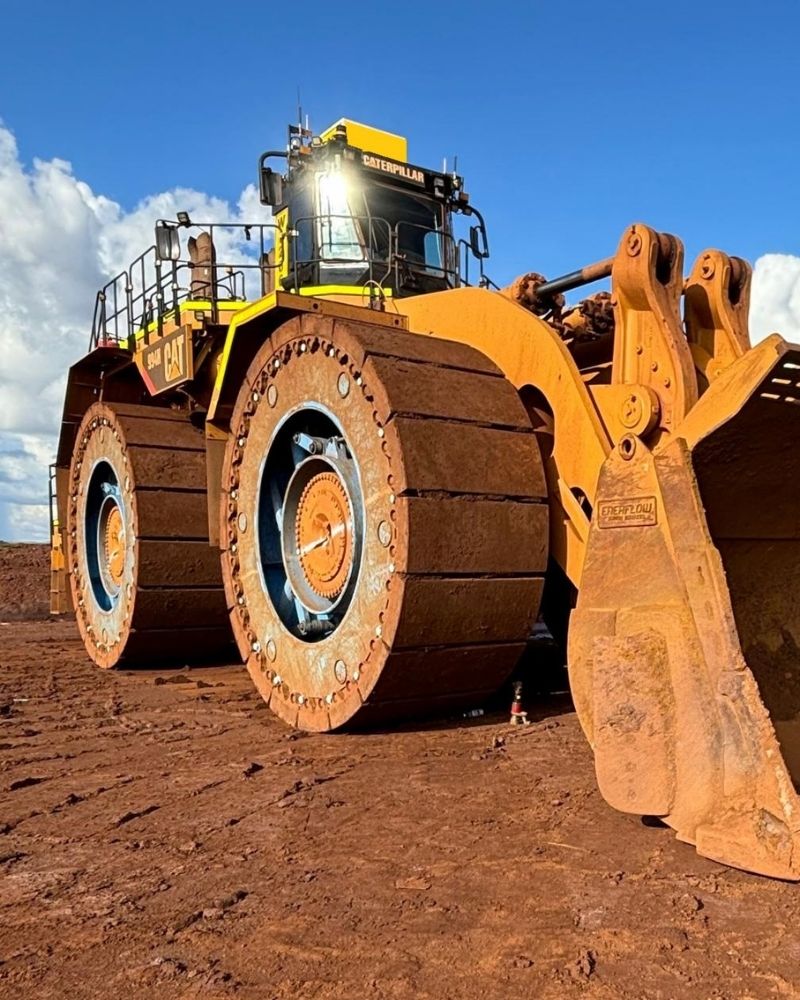
The ASW contains no large-volume pressurised tyre envelope. The conventional pneumatic tyre blowout failure mode is therefore removed from the system architecture, although all deployments remain subject to site-specific risk assessment, engineering approval, inspection, maintenance, and operating controls.
Tyre-specific activities — pressure monitoring, rotation, disposal, emergency change-outs — are removed. Maintenance shifts to scheduled, component-level inspection.
Under Wheels-as-a-Service, tyre spend moves from volatile CAPEX to a predictable, usage-aligned operating cost. GACWheels carries the asset and the performance accountability.
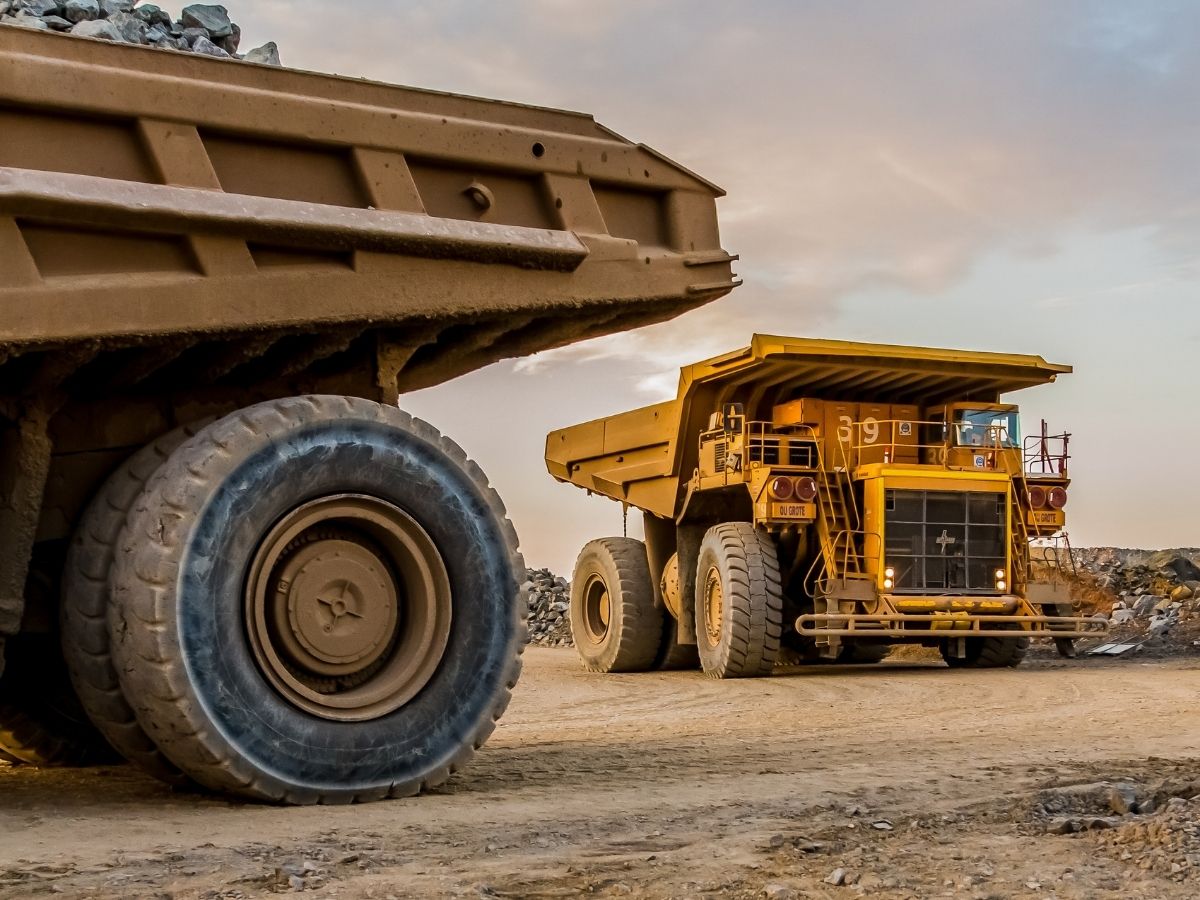
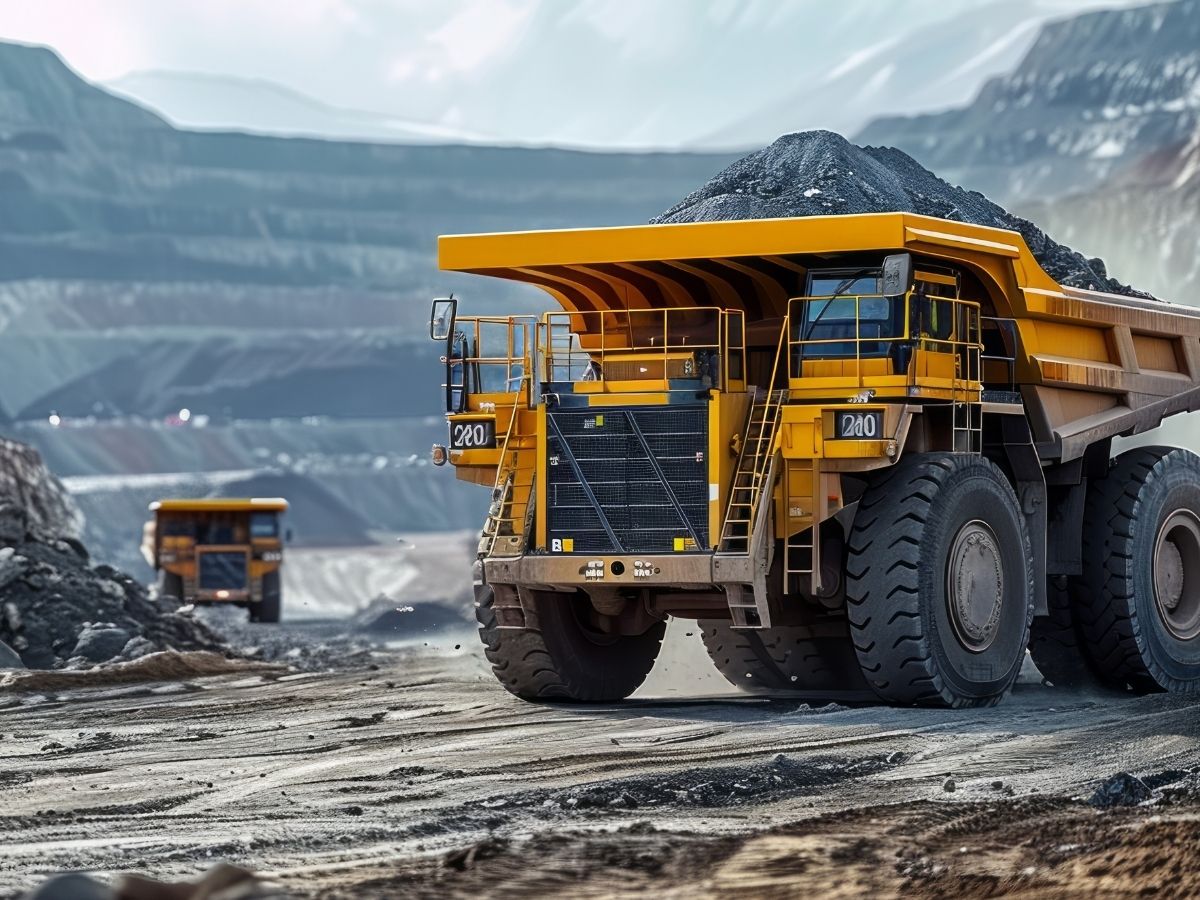
Pneumatic OTR tyres last an average of 9 months under heavy mining use. They fail catastrophically — and when they do, the consequences compound.
A small number of global suppliers. Demand consistently outpaces supply during commodity cycles. A shortage can ground a fleet.
A blowout on a loaded haul truck is catastrophic. The energy released by a large OTR tyre failure is enormous — consequences for proximate personnel are severe.
Purchase price is only one component. Fitment, dismounting, disposal, transport, and unplanned downtime compound true cost well beyond most maintenance budgets.
Overloading, speed, and underinflation accelerate internal heat generation. Once a tyre enters thermal runaway, failure is rapid and unpredictable — TKPH limits constrain fleet productivity.
Pressure management across a large fleet in remote conditions with shift changes is demanding and frequently inconsistent. Inconsistency directly increases failure rates.
Tyre failures are by definition unplanned — one of the largest contributors to lost production hours in mining, with cascading effects on haul cycles and downstream processing.
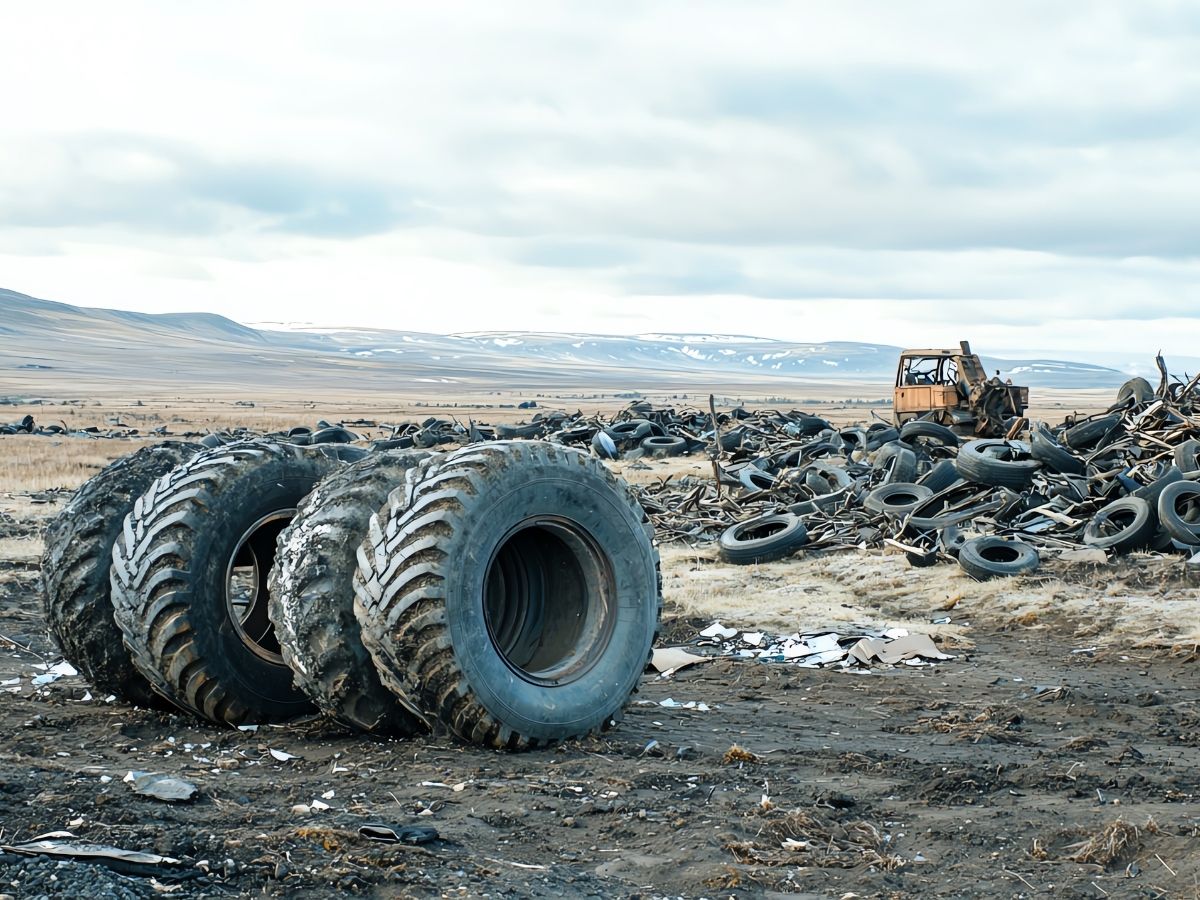
End-of-life OTR tyres are difficult and expensive to dispose of responsibly. Their accumulation on or near mine sites is a growing compliance and environmental issue across jurisdictions.
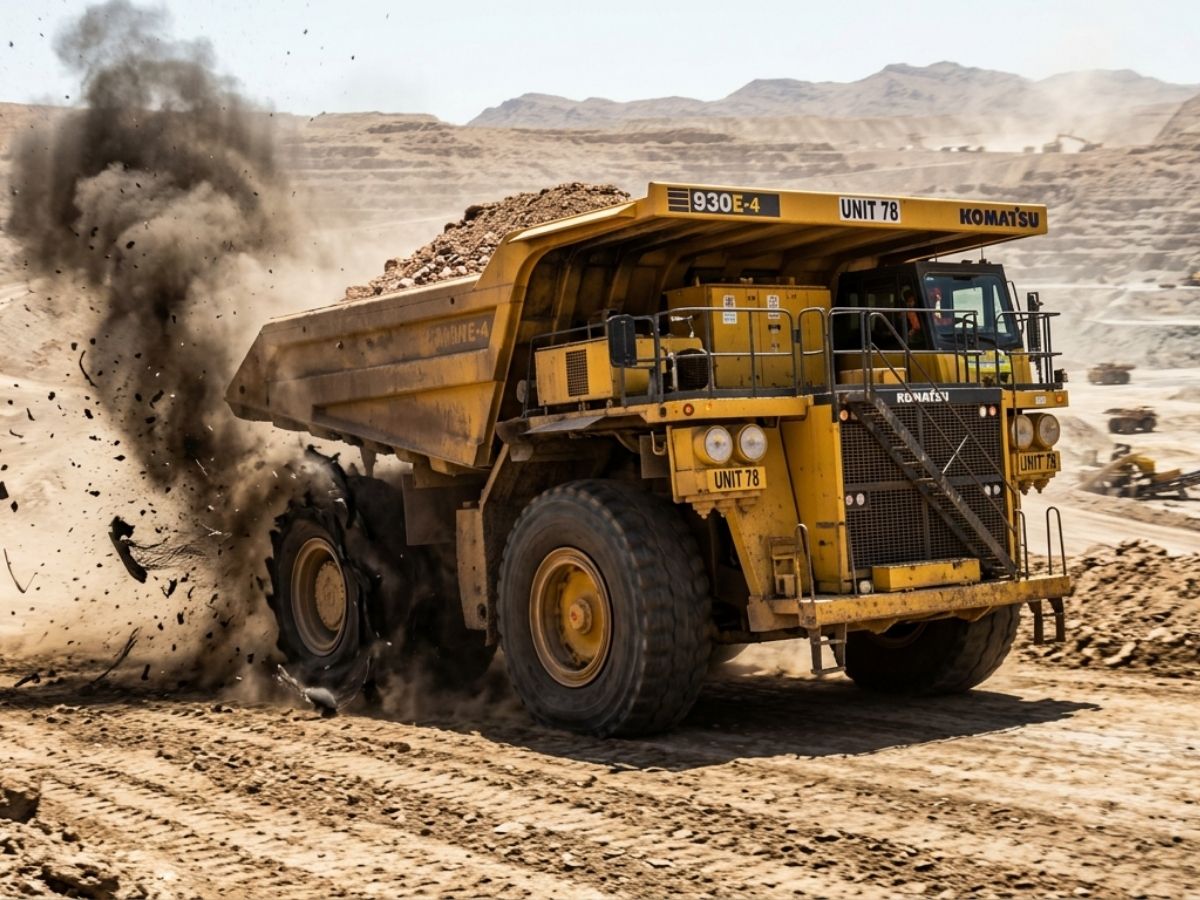
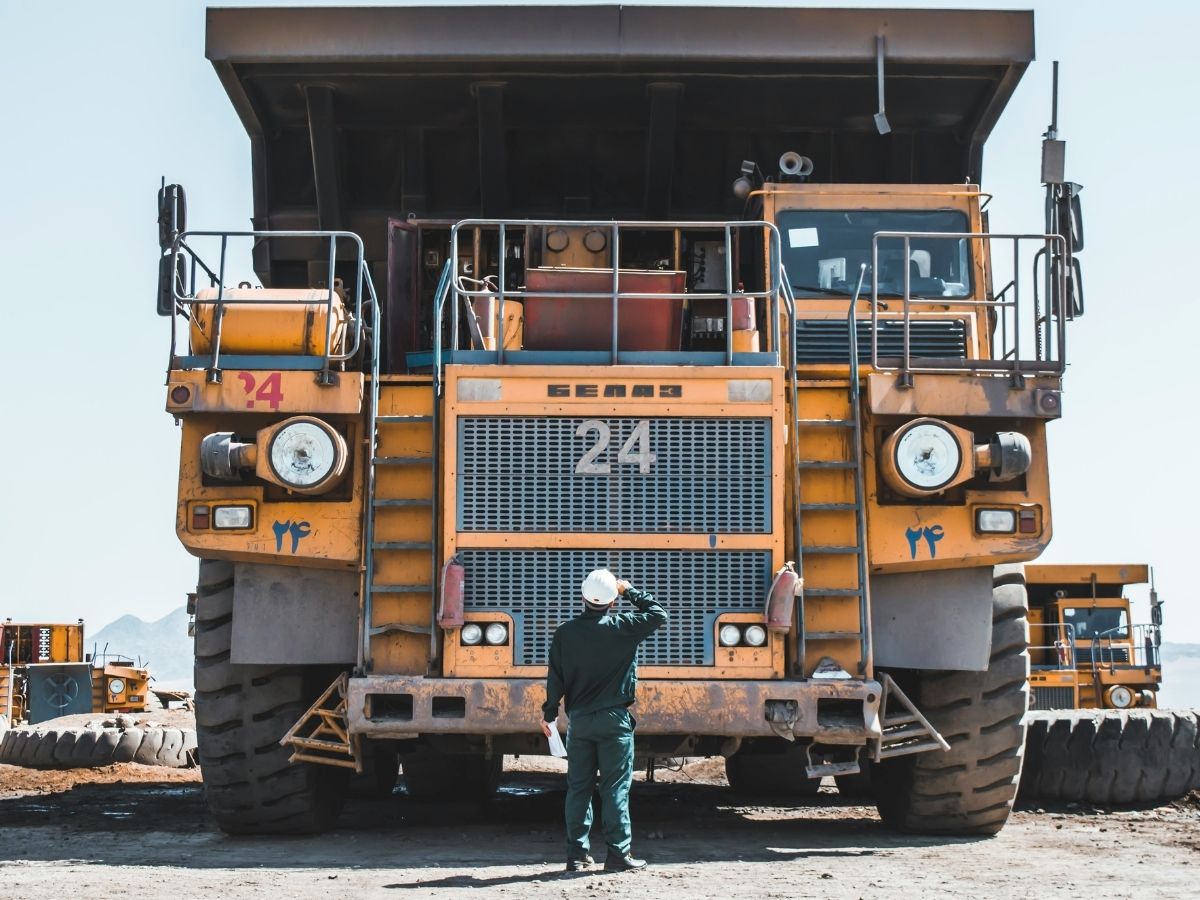
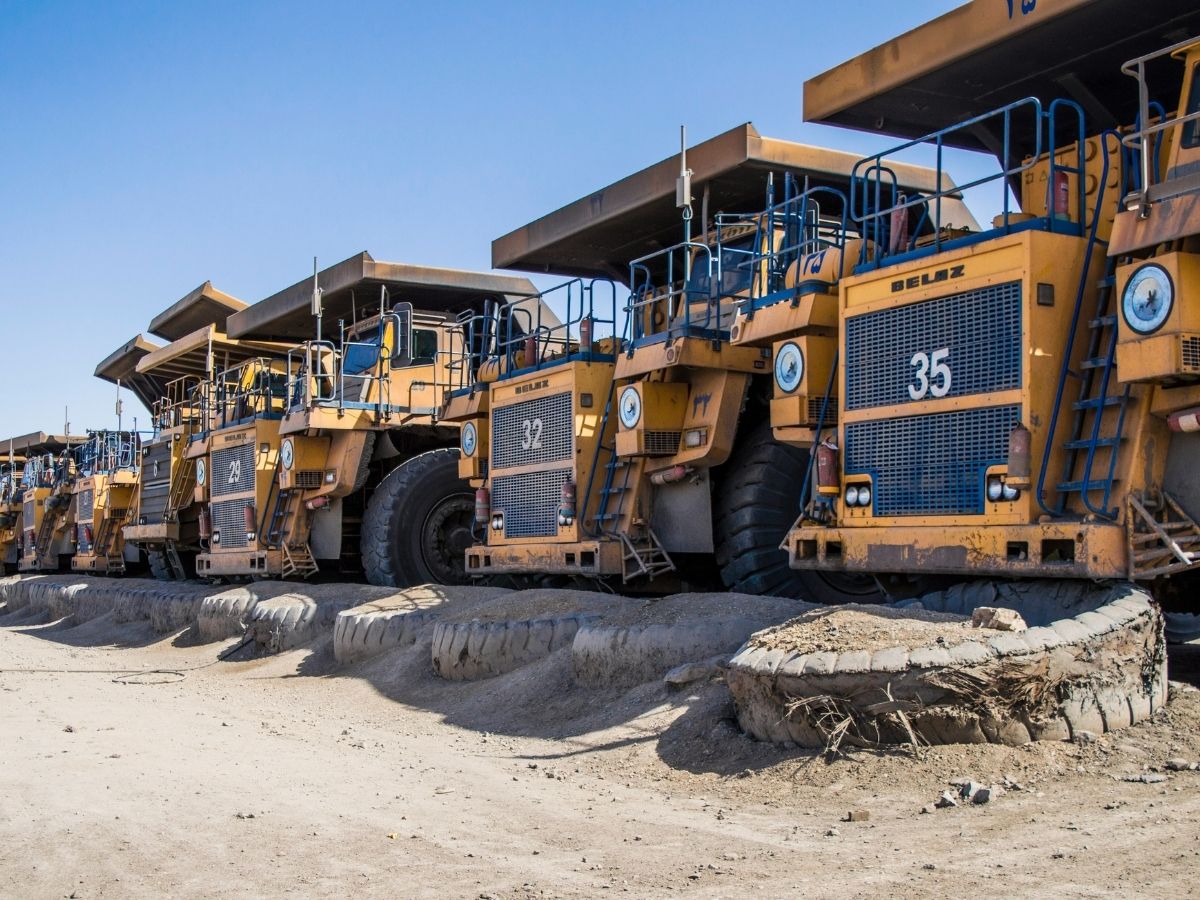
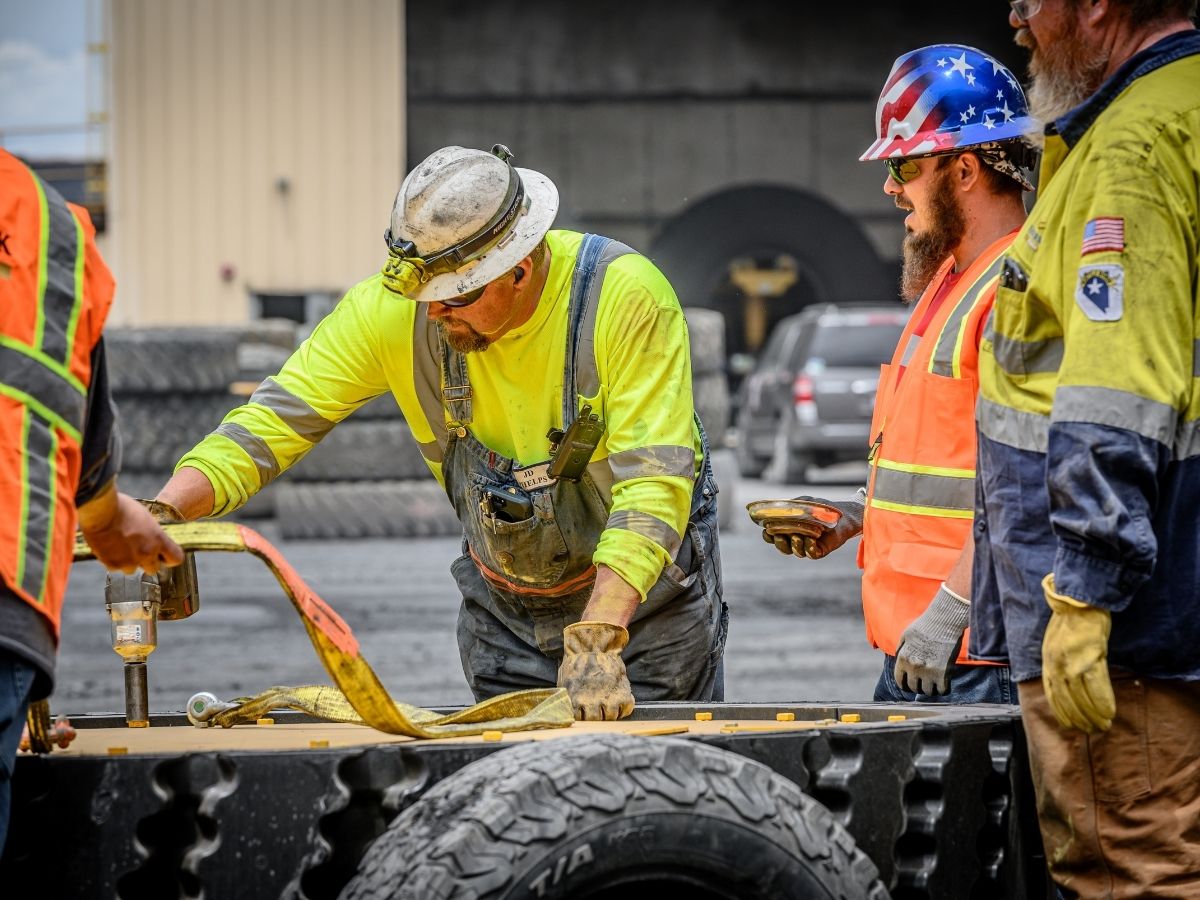
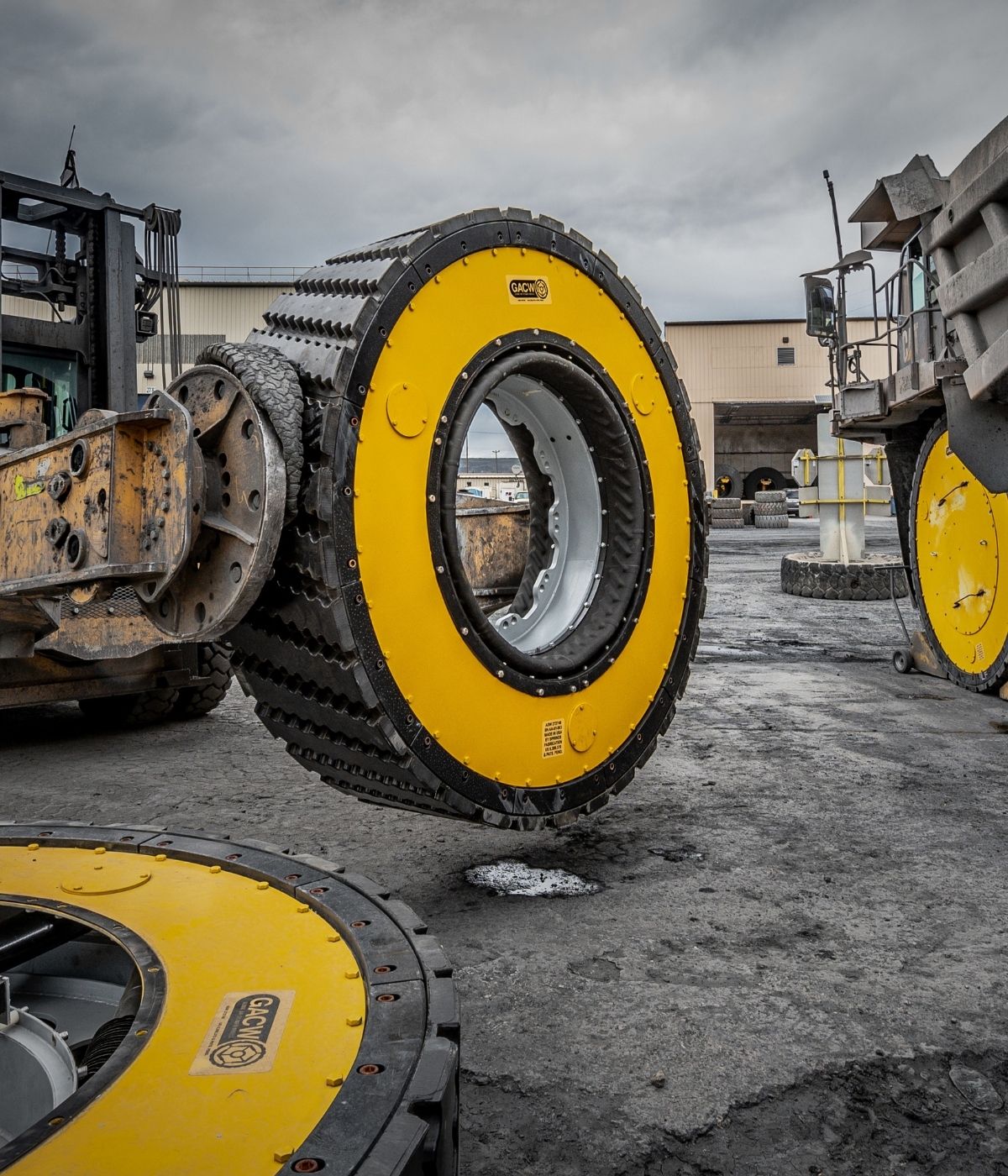
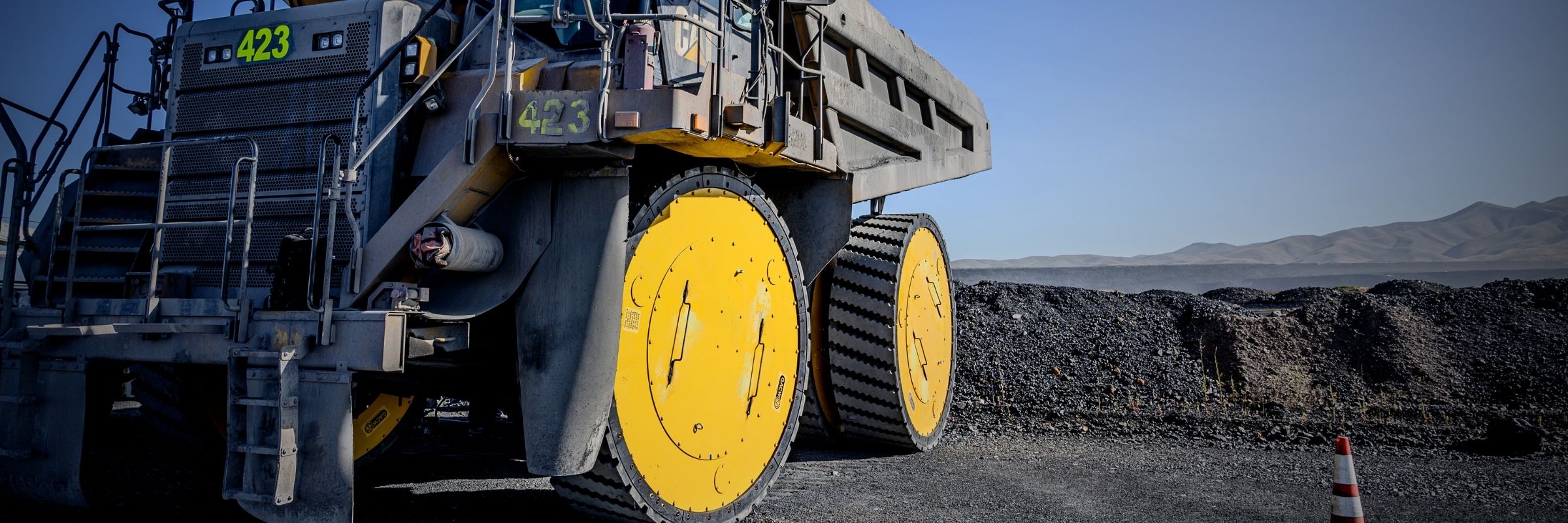
The ASW is a steel wheel with the suspension built inside it, replacing the conventional pneumatic tyre entirely. Air cylinders and dampers carry the load and absorb impact. Bolt-on tread segments — replaced one at a time — form the ground interface.
Because the ASW contains no large volume of pressurised gas, the blowout failure mode is removed at the source. Because wear is managed segment by segment, there is no whole-tyre replacement, no tyre carcass to dispose of, and no unplanned downtime caused by catastrophic failure.
Each of the seven failure modes above is addressed by removing the pressurised tyre itself — rather than working around its limitations.
The ASW is subject to site-specific engineering review and formal operational approval processes. All performance outcomes are dependent on application, operating conditions, and maintenance practices.
GACWheels supplies and supports the ASW system under the Wheels-as-a-Service model, with performance obligations, service scope, ownership, and site responsibilities defined in the applicable commercial agreement.
A recurring fee tied to how much your equipment operates — aligned to the cost-per-hour frameworks mines already use. No capital outlay. No tyre inventory. No residual value risk.
GACWheels retains ownership of the ASW assets and supplies agreed replacement components over the service life of the system. Performance obligations and risk allocation are governed by the WaaS agreement and depend on the operating profile, maintenance regime, and site conditions.
Catastrophic tyre failures are replaced with programmed component servicing. Your maintenance schedule is no longer driven by events you cannot predict.
"The biggest thing is it solves a big problem." Kevin O'Leary — StartEngine spokesperson*
*Kevin O'Leary is a paid spokesperson for StartEngine.